Alloy 725 INCONEL® 725 – UNS N07725 / ASTM B805, B564

Alloy 725 INCONEL® 725

Alloy 725 INCONEL® 725 is a nickel -chromium-molybdenum-niobium alloy designed to offer high corrosion resistance and age-hardening properties, giving it exceptional mechanical strength . Its corrosion resistance is equal to that of INCONEL® 625, but precipitation hardening allows it to achieve mechanical strength nearly double that of the annealed version of INCONEL® 625.

Unlike other cold-work strengthened alloys, INCONEL® 725 retains excellent ductility and toughness, making it ideal for high-stress components and extreme corrosive environments. The alloy is particularly suited for acidic environments containing hydrogen sulfide (H₂S), chlorides, and carbon dioxide, such as those found in natural gas wells and offshore applications.

Reference standards:

  • ASTM B805 (bars and wires)
  • ASTM B564 (flanges and forgings)
  • ASME Code Case 2217 (Bars and Forgings for High-Pressure Applications)

Chemical composition (%)

Element Content (%)
Nickel (Ni) 55.0 – 59.0
Chromium (Cr) 19.0 – 22.5
Molybdenum (Mo) 7.0 – 9.5
Niobium (Nb) 2.75 – 4.0
Titanium (Ti) 1.0 – 1.7
Aluminum (Al) 0.35 max
Iron (Fe) Balanced
Carbon (C) 0.03 max
Manganese (Mn) 0.35 max
Silicon (Si) 0.20 max
Phosphorus (P) 0.015 max
Sulfur (S) 0.010 max

Mechanical properties

Temperature (°C) Tensile strength (MPa) Yield strength (MPa) Elongation (%)
20 1254 892 32
300 1189 826 30
600 1099 782 32
900 1075 807 31

Heat treatments

  • Solution annealing: 1040°C with air cooling to maintain an optimal structure.
  • Aging: 730°C for 8 hours, controlled cooling to 620°C for 8 hours, followed by air cooling.
  • Hot forming: Working temperature between 900 and 1120°C, with gradual cooling to avoid double grain structures.

Available formats

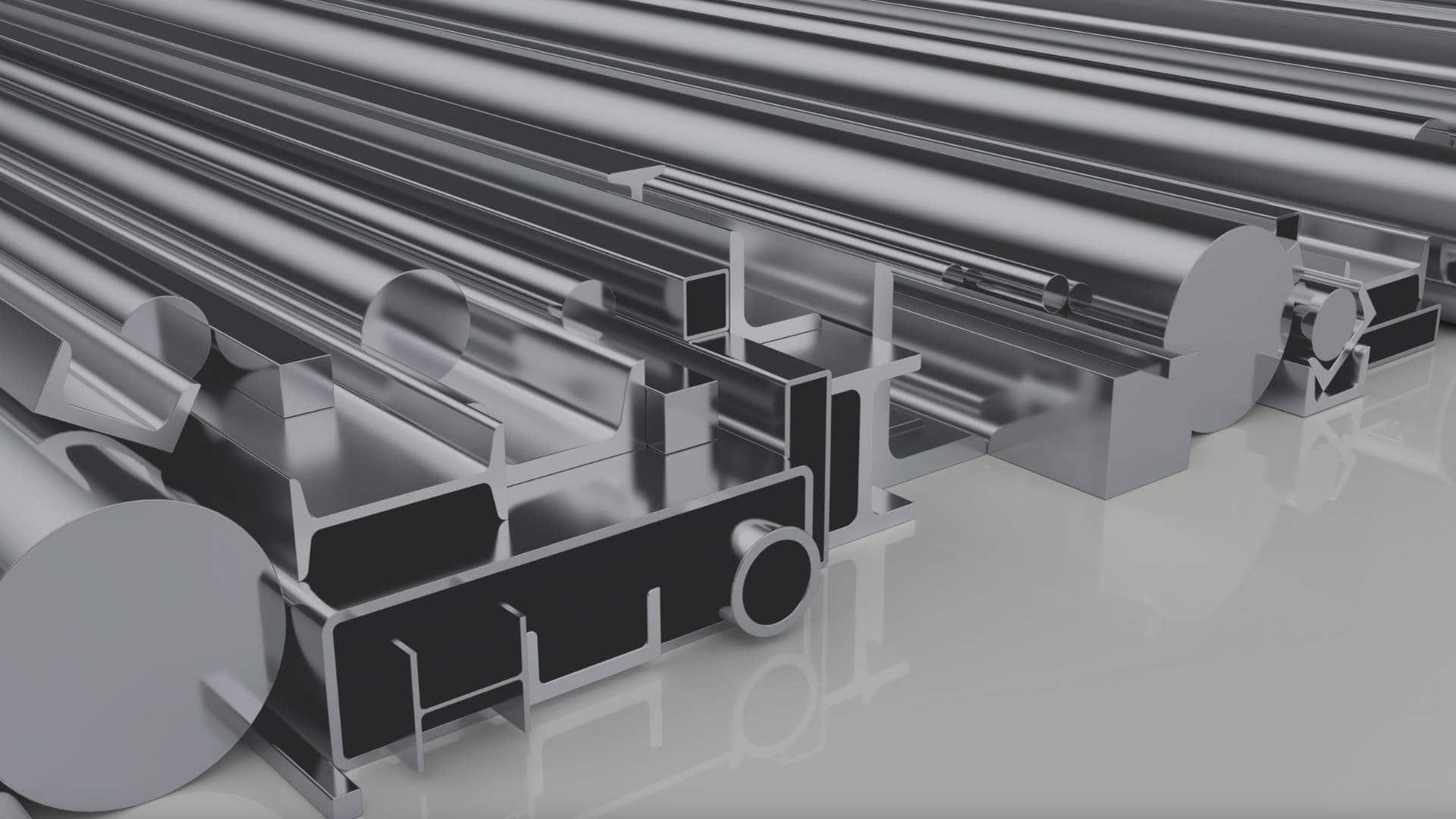
INCONEL® Alloy 725 is available in the following forms:

Industrial applications

Thanks to its unique combination of mechanical strength and corrosion resistance, INCONEL® 725 is used in:

  • Aerospace and Defense: Structural Components for Extreme Environments.
  • Power Generation: Heat Exchange Systems in High Temperature Plants.
  • Chemical and Pharmaceutical Industry: Components for reactors, piping and tanks in acidic environments.
  • Motorsport: High-performance engine parts exposed to corrosive gases.
  • Nuclear: Structural materials for aggressive radioactive environments.
  • Oil & Gas: High-pressure, high-temperature well instrumentation, resistance to sulfide corrosion and chloride-induced stress corrosion cracking.

Richiedi Informazioni/Preventivo