Alloy 825 INCOLOY® 825
Alloy 825 INCOLOY® 825 is a nickel -iron-chromium alloy with added molybdenum, copper and titanium, designed to provide exceptional corrosion resistance in a wide range of aggressive environments.
The nickel content ensures excellent resistance to chloride-induced stress corrosion cracking , while the combination of nickel, molybdenum, and copper confers notable resistance to reducing environments, such as those containing sulfuric and phosphoric acids . Chromium offers resistance to oxidizing substances, such as nitric acid and nitrates, while titanium stabilizes the alloy against intergranular corrosion.
Thanks to its excellent resistance to general and localized corrosion, INCOLOY® 825 is widely used in industries such as chemical, petrochemical, nuclear and oil & gas.
Reference standards:
- ASTM B425 (bars and wires)
- ASTM B424 (sheet and strip)
- ASTM B564 (flanges and forgings)
Chemical composition (%)
| Element |
Content (%) |
| Nickel (Ni) |
38.0 – 46.0 |
| Iron (Fe) |
22.0 min |
| Chromium (Cr) |
19.5 – 23.5 |
| Molybdenum (Mo) |
2.5 – 3.5 |
| Copper (Cu) |
1.5 – 3.0 |
| Titanium (Ti) |
0.6 – 1.2 |
| Carbon (C) |
0.05 max |
| Manganese (Mn) |
1.0 max |
| Sulfur (S) |
0.03 max |
| Silicon (Si) |
0.5 max |
| Aluminum (Al) |
0.2 max |
Mechanical properties
| Temperature (°C) |
Tensile strength (MPa) |
Yield strength (MPa) |
Elongation (%) |
| 20 |
690 – 772 |
324 – 441 |
36 – 45 |
| 600 |
450 |
176 |
25 |
| 800 |
369 |
149 |
22 |
| 1000 |
319 |
124 |
18 |
Heat treatments
- Standard annealing: 870-980°C with rapid cooling to optimize corrosion resistance.
- Stabilization treatment: Required after hot forming processes to prevent sensitization to intergranular corrosion.
- Rapid Cooling: Recommended to maintain optimum corrosion resistance.
Available formats
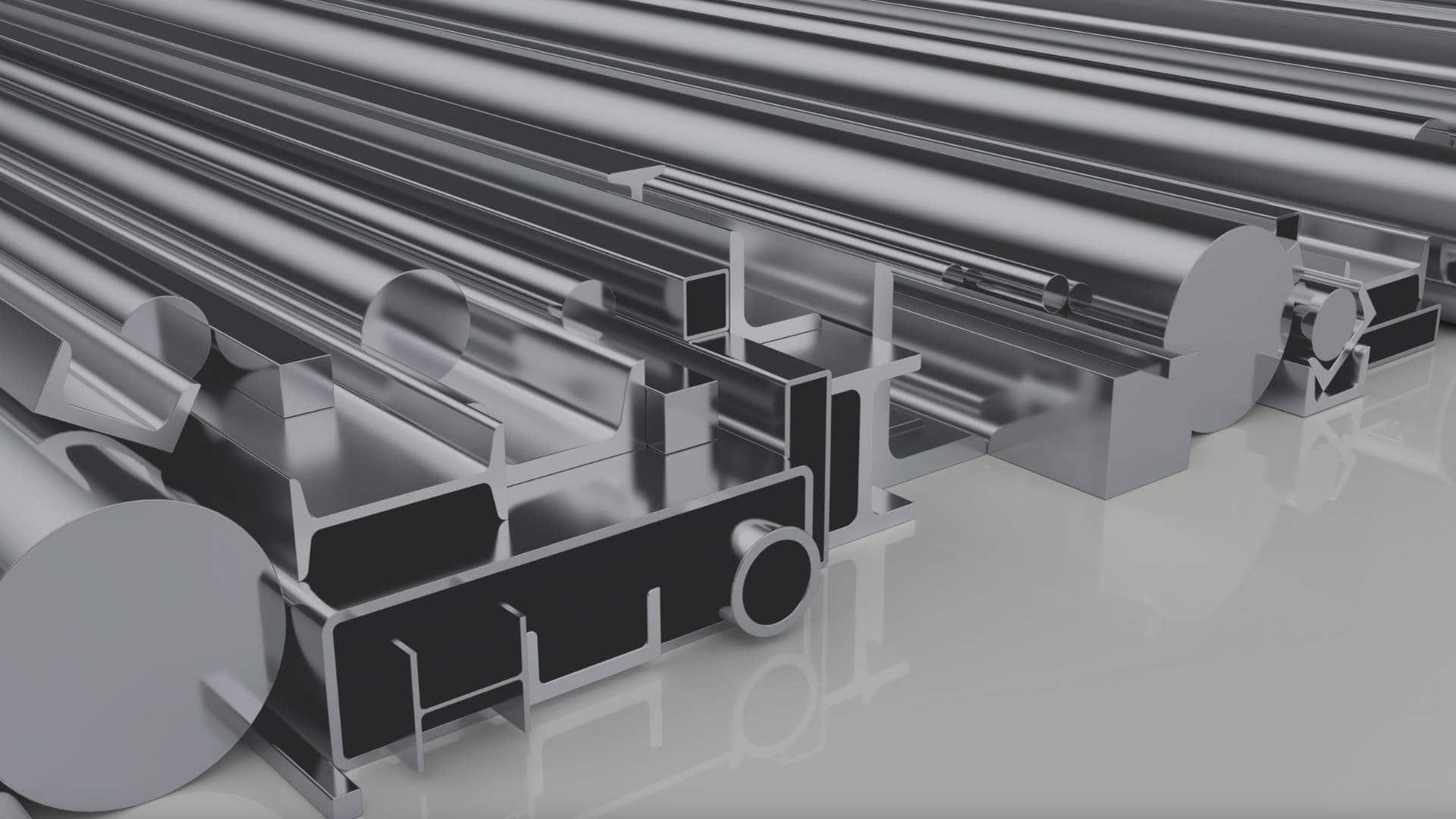
INCOLOY® Alloy 825 is available in the following forms:
Industrial applications
Thanks to its exceptional corrosion resistance properties, INCOLOY® 825 is used in several critical sectors:
- Aerospace and Defense: Components for highly corrosive environments, protective coatings.
- Power Generation: Heat Exchangers and Power Generation Plants.
- Chemical and Pharmaceutical Industry: Equipment for processing aggressive acids, storage tanks and piping.
- Motorsport: Exhaust systems resistant to high temperatures and corrosive environments.
- Nuclear: Structural components for nuclear reactors and radioactive waste treatment facilities.
- Oil & Gas: Subsea pipelines, equipment for the transport and storage of highly corrosive hydrocarbons.