X30Cr13 (1.4028 / AISI 420B / UNS S42000) is a martensitic stainless steel characterized by good corrosion resistance in moderately aggressive environments and high mechanical properties after quenching treatment, with hardness reaching about 48 HRC.
Usually produced by electric arc furnace (EAF) melting and AOD refining, the material is available in both annealed and quenched & tempered (QT) conditions, making it particularly suitable for applications requiring mechanical strength and moderate corrosion resistance.
Reference standards:
• NF EN 10088-3
• ASTM F899
• NF S 94-090
________________________________________
Chemical composition (%)
Element Min (%) Max (%)
Carbon (C) 0.26 0.35
Manganese (Mn) – 1.00
Phosphorus (P) – 0.040
Sulphur (S) – 0.030
Silicon (Si) – 1.00
Chromium (Cr) 12.0 14.0
Nickel (Ni) – 1.00
Cobalt (Co) – 0.10
Iron (Fe) Balanced
________________________________________
Mechanical properties
Condition Rm (MPa) Rp0.2% (MPa) Elongation (%) Hardness HB
Annealed – – – 245–300
Quenched and tempered (QT 850) >850 >650 >7 –
________________________________________
Physical properties at 20°C
Property Value
Density 7.7 g/cm³
Young’s modulus 215 GPa
Thermal conductivity 30 W/m·K
Coefficient of thermal expansion (20–200°C) 11×10⁻⁶ /°C
Magnetism Ferromagnetic
________________________________________
Heat treatments
• Quenching: Heating to approximately 980°C followed by rapid cooling (tempering).
• Tempering: To be carried out at temperatures above 200°C, avoiding the range between 400°C and 600°C to prevent temper embrittlement.
________________________________________
Available formats
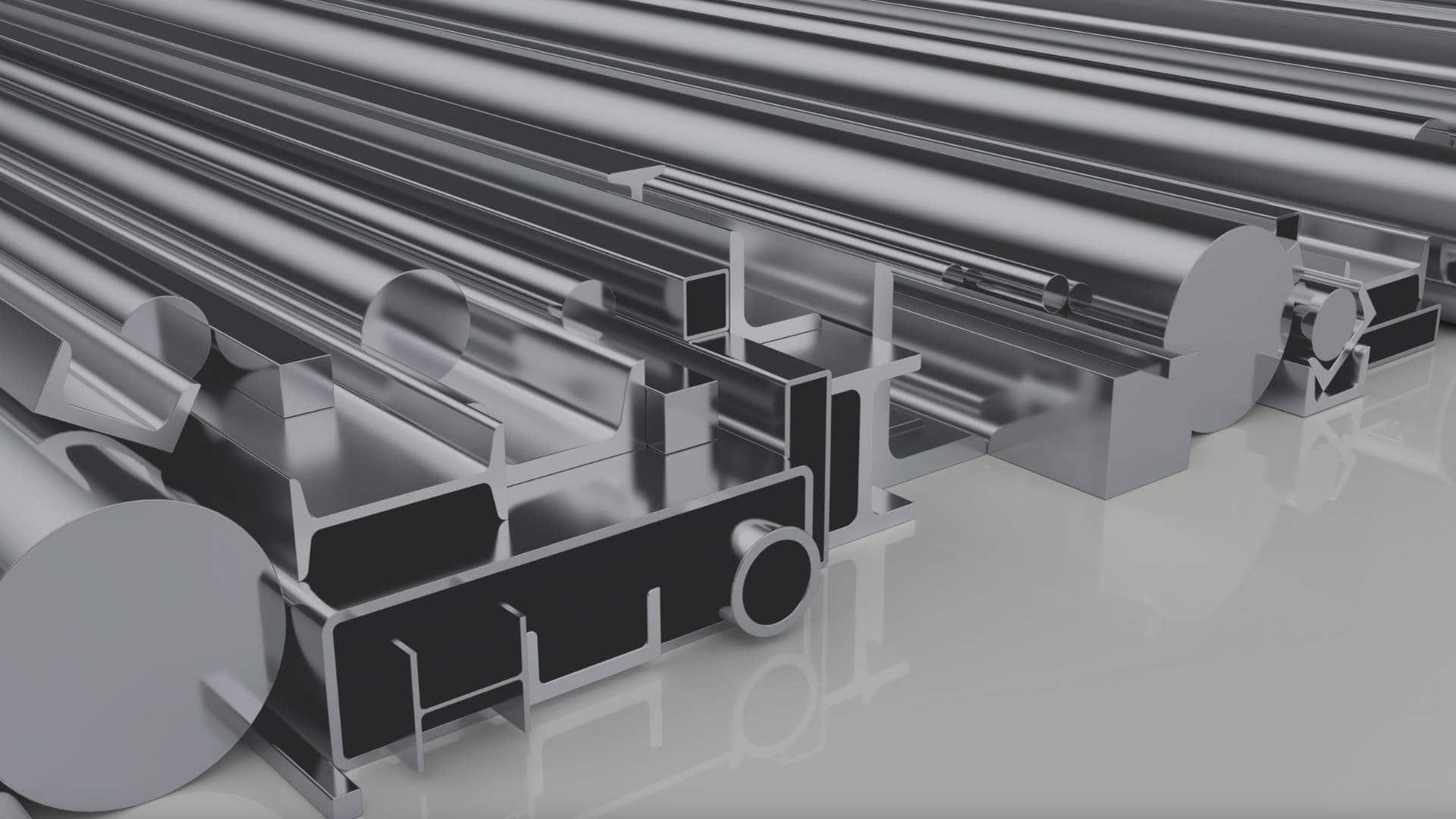
• Round bars: Annealed or tempered conditions, rolled or ground surface.
• Flat bars: Custom made in annealed condition.
• Other formats: Available upon request.
________________________________________
Industrial applications
Thanks to its good corrosion resistance and high hardness, X30Cr13 is used for:
• Aerospace and Defense: Precision instruments.
• Power Generation: Valves, springs and mechanical components.
• Chemical and Pharmaceutical Industry: Tools resistant to moderately corrosive environments.
• Motorsport: Components subject to wear and high stress.
• Medical: Surgical instruments and scalpels.
• Oil & Gas: Pumps, valves and drilling devices.