NITRONIC® 50 (UNS S20910) is a highly alloyed austenitic stainless steel, designed to provide:
• Excellent corrosion resistance, exceeding that of Types 316/316L and 317/317L.
• High mechanical strength, approximately twice that of 316 in the annealed condition.
• Excellent mechanical performance at both high and low temperatures.
• Non-magnetic, even after cold working or cooling to cryogenic temperatures.
NITRONIC® 50 combines high-performance strength, ductility, and machinability, making it ideal for very aggressive environments.
________________________________________
Chemical composition (%)
Element Min (%) Max (%)
Carbon (C) – 0.06
Manganese (Mn) – 6.00
Silicon (Si) – 1.00
Phosphorus (P) – 0.040
Sulfur (S) – 0.030
Chromium (Cr) 20.5 23.5
Nickel (Ni) 11.5 13.5
Molybdenum (Mo) 1.50 3.00
Nitrogen (N) 0.20 0.40
Niobium (Cb) 0.10 0.40
Vanadium (V) 0.10 0.30
________________________________________
Mechanical properties
(annealed)
Property Value
Tensile Strength (UTS) 690 MPa
Proof Strength 0.2% 380 MPa
Elongation over 2″ 35%
Area Reduction 55%
In the cold-worked condition, the material achieves a yield strength more than three times higher than 316.
________________________________________
Physical properties
Property Value
Modulus of elasticity ~200 GPa
Density ~7.9 g/cm³
Non-magnetic Yes
________________________________________
Corrosion resistance
• Better overall strength than 316/316L and 317/317L in many aggressive environments.
• Excellent resistance to chloride-induced stress corrosion cracking.
• Superior resistance to crevice corrosion compared to standard 316L.
• Good resistance in environments containing organic and inorganic acids.
• May be subject to stress corrosion cracking in high-temperature and chloride-containing environments, like all austenitic stainless steels.
________________________________________
Workability and weldability
• Machinability: Comparable to 316/317, but requires slower speeds, positive feed rates, and plenty of cooling during machining.
• Weldability: All common techniques can be used; for maximum strength and corrosion resistance, the use of fillers with a similar composition is recommended.
________________________________________
Available formats
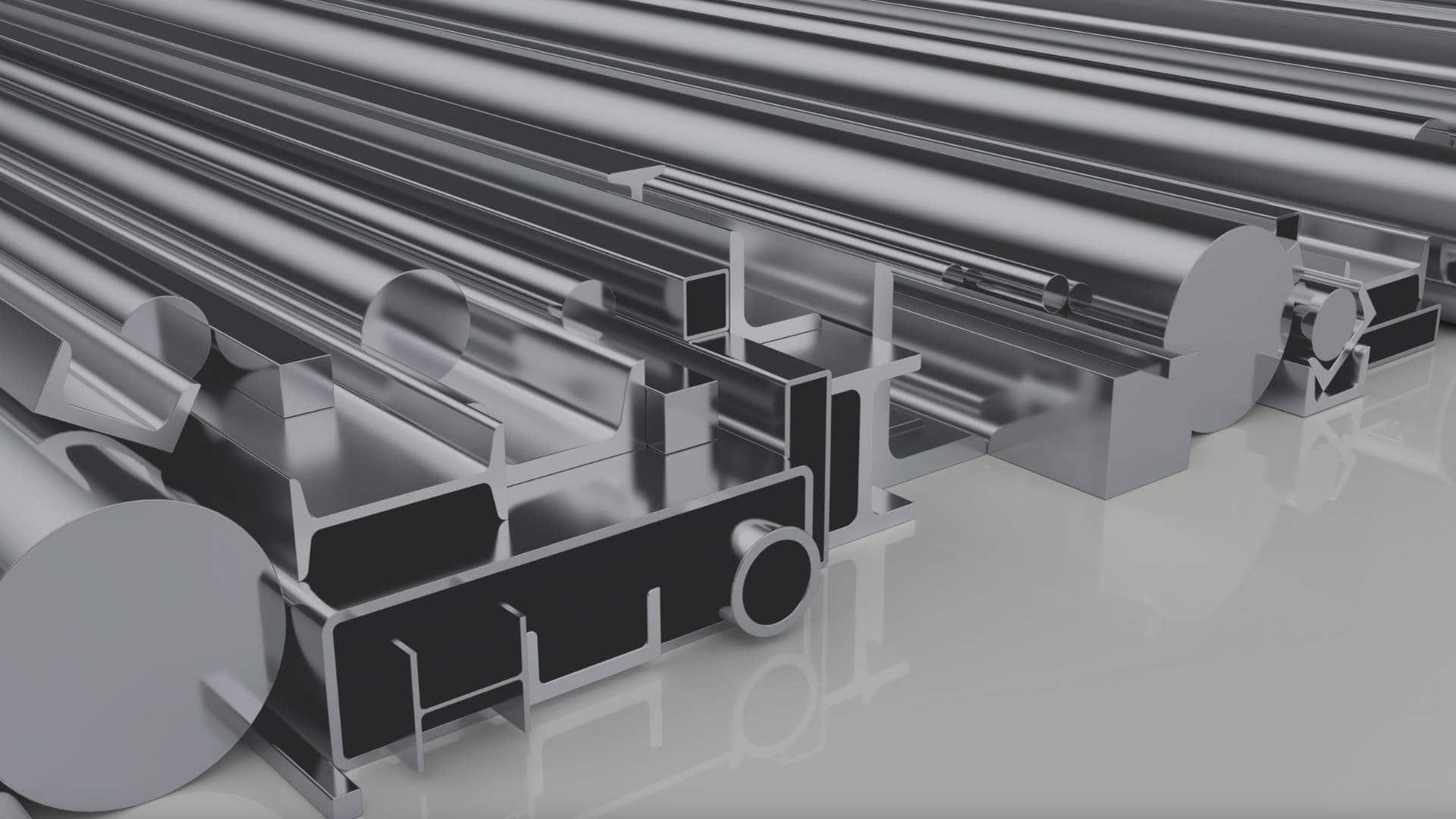
• Bars
• Wires
• Plates
• Sheets
• Forgings
________________________________________
Industrial applications
Ideal for:
• Oil & Gas: Shafts, stems and pins for valves, pumps and chokes.
• Nuclear industry: Structural mechanical components.
• Marine industry: Boat axles, fasteners, rigging equipment.
• Water treatment plants: Systems exposed to aggressive chlorides.