321 Stainless Steel is a titanium-stabilized austenitic stainless steel designed to offer excellent resistance to intergranular corrosion after exposure to temperatures between 427°C and 816°C (800–1500°F).
321H Stainless Steel is the high-carbon (0.04–0.10%) grade developed to improve creep resistance and mechanical strength at temperatures above 537°C (1000°F).
Both degrees offer:
• Good oxidation resistance up to 816°C (1500°F).
• Excellent low-temperature toughness.
• Good weldability and machinability.
• Better stress-rupture properties than 304 and 304L stainless steels.
________________________________________
Chemical composition (%)
Element 321 (%) 321H (%)
Carbon (C) ≤0.08 0.04–0.10
Manganese (Mn) ≤2.00 ≤2.00
Silicon (Si) ≤0.75 ≤0.75
Phosphorus (P) ≤0.045 ≤0.045
Sulfur (S) ≤0.030 ≤0.030
Chromium (Cr) 17.00–19.00 17.00–19.00
Nickel (Ni) 9.00–12.00 9.00–12.00
Nitrogen (N) ≤0.10 ≤0.10
Titanium (Ti) 5x(C+N)–0.70 5x(C+N)–0.70
Iron (Fe) Balanced Balanced
________________________________________
Mechanical properties (annealed sheet and bar)
Property Value
Tensile Strength (UTS) 515 MPa (75,000 psi)
Yield Strength 0.2% 205 MPa (30,000 psi)
Elongation over 2″ ≥60%
Area Reduction ≥70%
Ultimate Hardness 95 HRB (217 HB)
________________________________________
Physical properties
Property Value
Density 7.92 g/cm³ (0.286 lb/in³)
Melting range 1398–1421°C
Elastic modulus 193 GPa (28.0×10⁶ psi)
Magnetic permeability (annealed) ≤1.02
________________________________________
Main features
• Resistant to oxidation up to 816°C.
• Greater creep resistance than 304/304L.
• Resistant to intergranular corrosion after prolonged exposure.
• Excellent weldability and formability.
• Suitable for high-temperature applications and moderately corrosive environments.
________________________________________
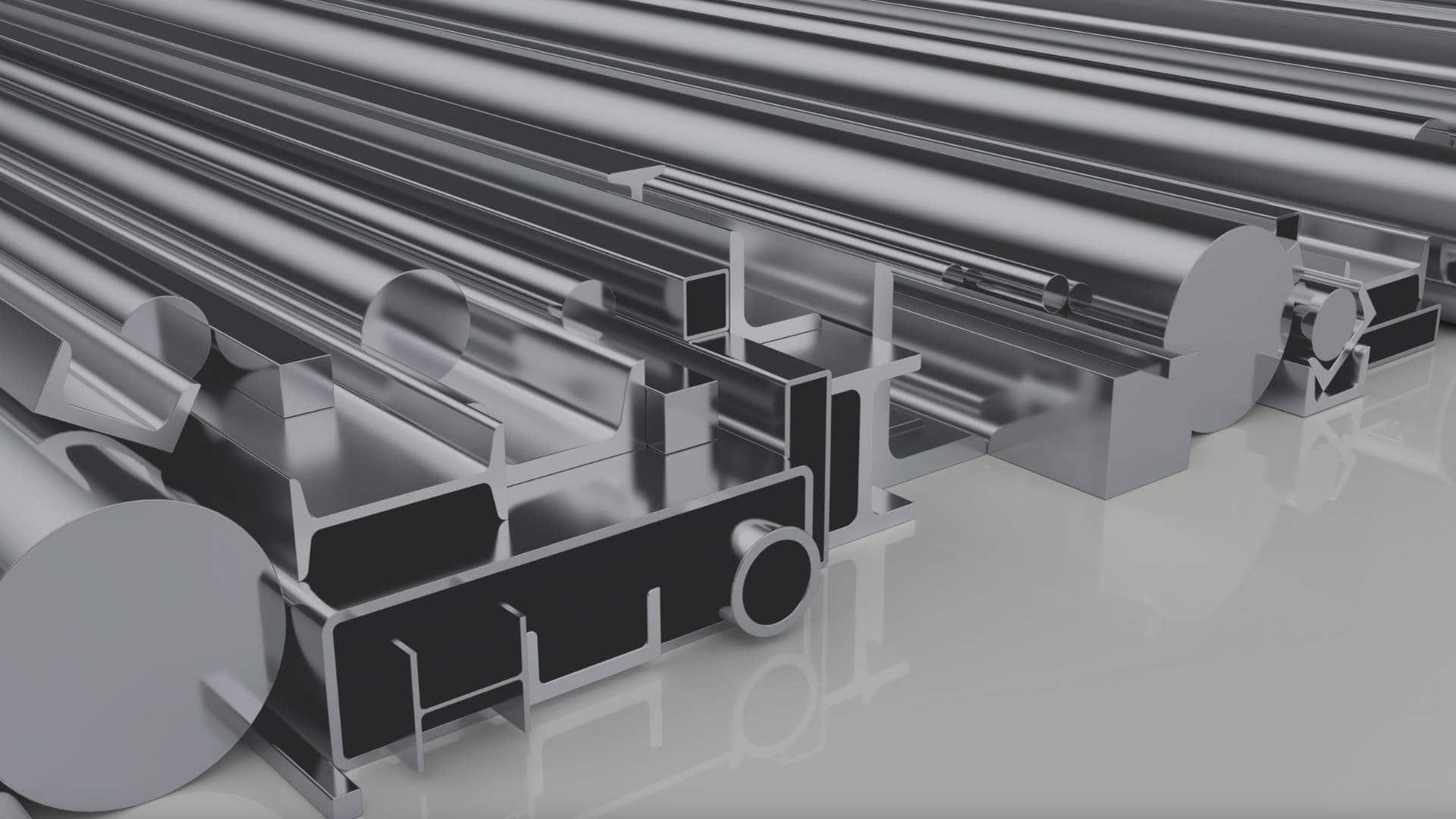
Available formats
• Round bars
• Sheets and plates
• Forgings
________________________________________
Industrial applications
• Aerospace and Defense: Aircraft engine exhausts, manifolds.
• Chemical Industry: Reactors, process equipment.
• Oil & Gas: High-temperature fluid transport systems.
• Food Processing: Equipment resistant to extreme thermal cycling.
• Heat exchangers and turbine parts.