317LMN is an austenitic stainless steel with a high chromium , nickel, molybdenum, and nitrogen content, developed to offer superior corrosion resistance compared to traditional 316L and 317L.
The addition of molybdenum and nitrogen significantly increases resistance to pitting and crevice corrosion, making it ideal for environments containing chlorides and aggressive acids.
The alloy maintains excellent mechanical properties and can be used in the welded state without risk of carbide precipitation.
Reference standards:
• ASTM A240
• ASME SA240
________________________________________
Chemical composition (%)
Element Content (%)
Chromium (Cr) 17.0–20.0
Nickel (Ni) 13.5–17.5
Molybdenum (Mo) 4.0–5.0
Nitrogen (N) 0.10–0.20
Manganese (Mn) ≤2.00
Phosphorus (P) ≤0.045
Sulfur (S) ≤0.030
Silicon (Si) ≤0.75
Carbon (C) ≤0.030
Iron (Fe) Balanced
________________________________________
Mechanical properties (typical at 20°C)
Property Value
Yield Strength 0.2% 205–245 MPa
Tensile Strength (UTS) 550–600 MPa
Elongation 40–53%
Rockwell Hardness B 80–96
________________________________________
Physical properties
Property Value
Density 8.0 g/cm³ (0.290 lb/in³)
Elastic modulus 200 GPa (29×10⁶ psi)
Melting range 1393–1443°C
Specific heat (0–100°C) 502 J/kg K
Thermal conductivity (100°C) 14.6 W/m K
Electrical resistivity (20°C) 85.1 μΩ cm
________________________________________
Main features
• Excellent resistance to general and localized corrosion, superior to 316L and 317L.
• High resistance to pitting and chloride-induced cracking.
• Improved creep resistance thanks to nitrogen.
• Can be used without post-treatment after welding.
• Non-magnetic in the annealed condition.
________________________________________
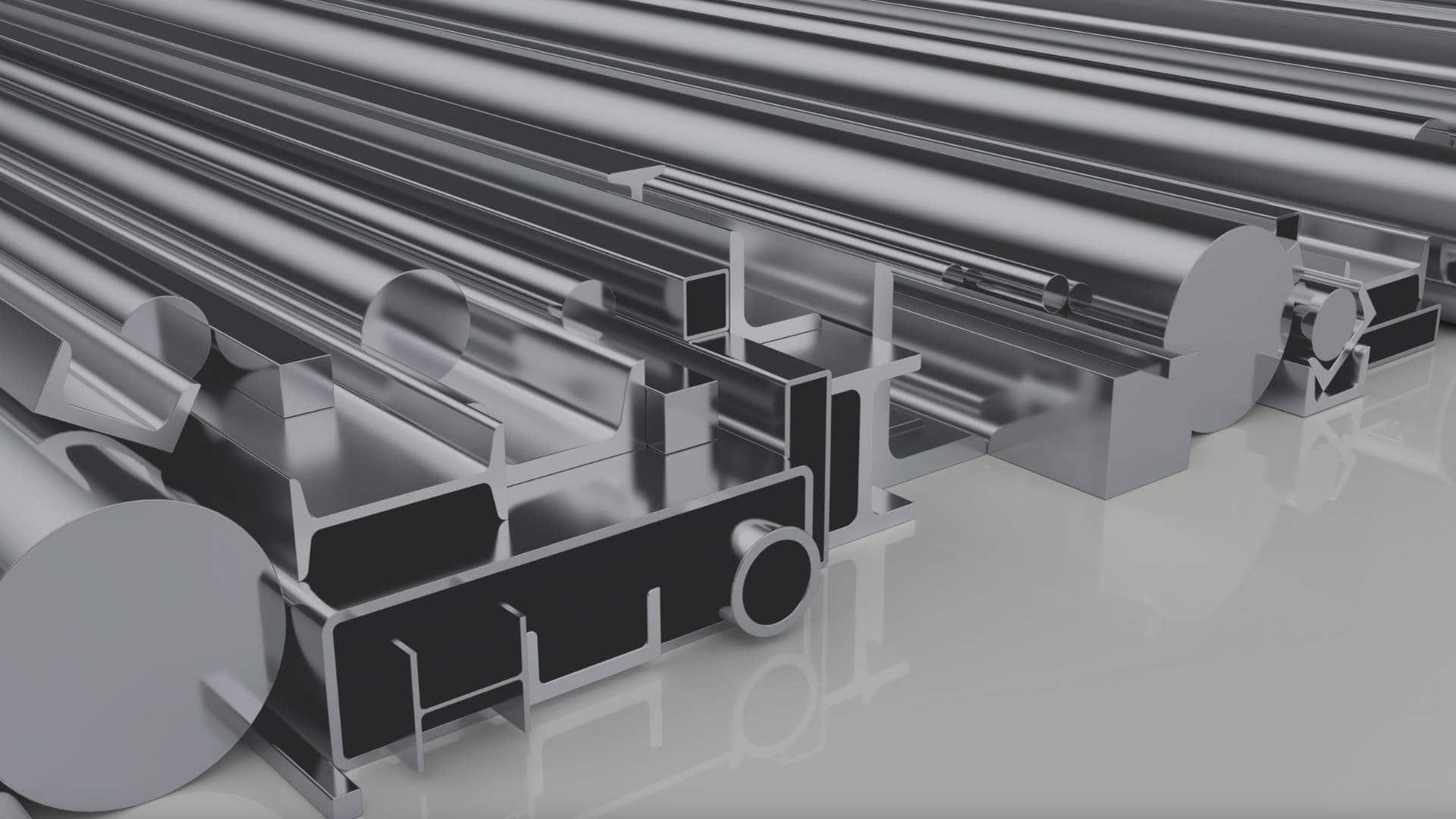
Available formats
• Bars
• Plates
• Sheets
• Tubes
________________________________________
Industrial applications
Ideal for:
• Pollution control: Flue gas desulfurization (FGD) systems.
• Chemical and petrochemical industries: Reactors, condensers, and heat exchangers.
• Food and pharmaceutical industries: Acid-resistant process equipment.
• Water treatment: Chloride-containing tanks and filtration systems.