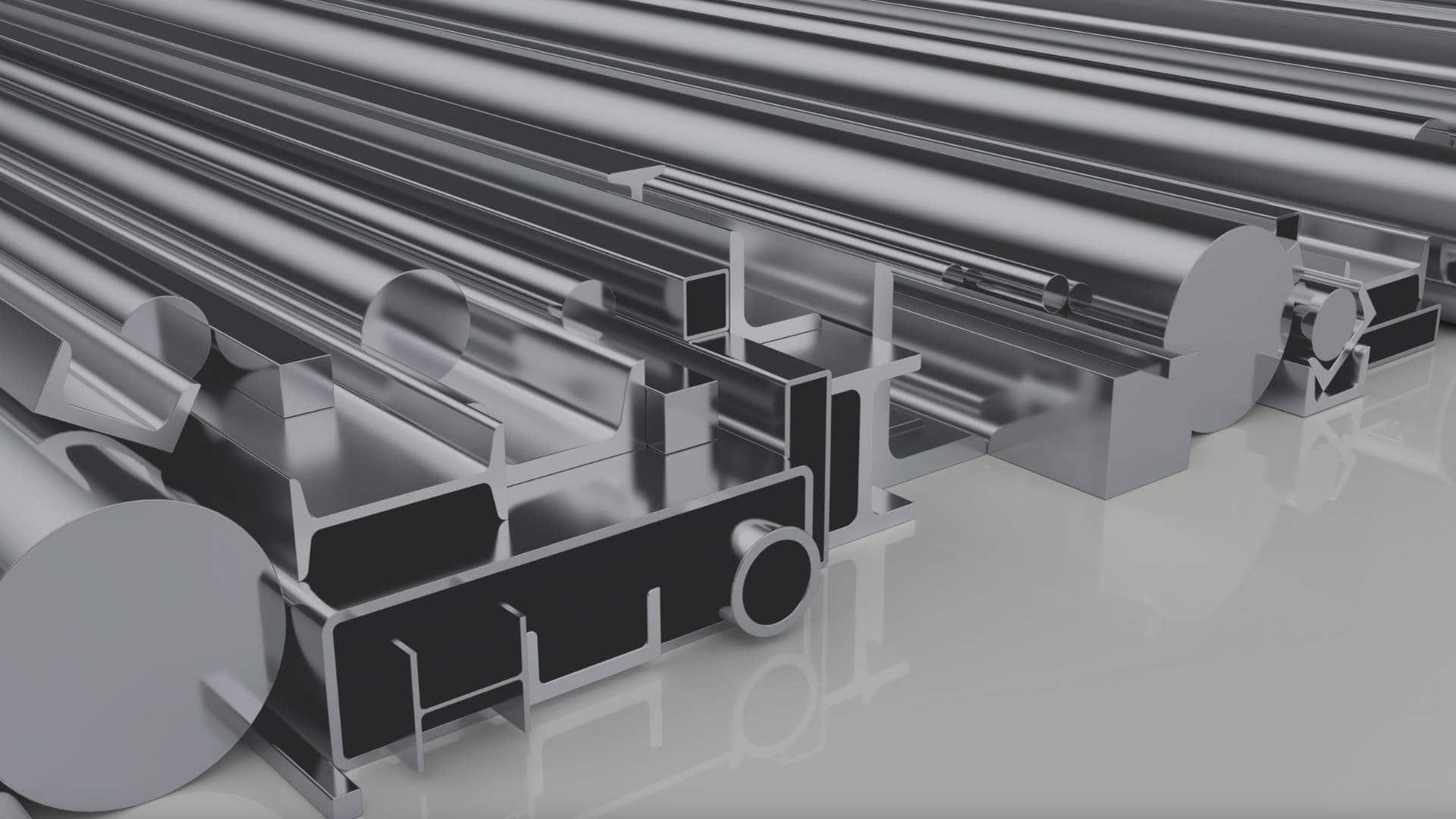
316 and 316L stainless steels are austenitic alloys containing molybdenum, developed to offer improved corrosion resistance, particularly against pitting and crevice corrosion, compared to traditional 304 stainless steels.
Furthermore, they provide greater resistance to creep, fracture stress and tensile stress at high temperatures, while maintaining the excellent machinability and formability properties typical of austenitic stainless steels.
Reference standards:
• UNS S31600 (316)
• UNS S31603 (316L)
• AMS 5524, AMS 5507
• ASTM A167, A240, F138, F899
• ASME SA167, SA240
________________________________________
Chemical composition (%)
Element 316 (%) 316L (%)
Carbon (C) ≤0.08 ≤0.030
Manganese (Mn) ≤2.00 ≤2.00
Silicon (Si) ≤0.75 ≤0.75
Chromium (Cr) 16.0–18.0 16.0–18.0
Nickel (Ni) 10.0–14.0 10.0–14.0
Molybdenum (Mo) 2.0–3.0 2.0–3.0
Phosphorus (P) ≤0.045 ≤0.045
Sulfur (S) ≤0.030 ≤0.030
Nitrogen (N) ≤0.10 ≤0.10
Iron (Fe) Balanced Balanced
________________________________________
Mechanical properties (according to ASTM A240 / ASME SA240)
Properties 316 316L
Tensile Strength (min.) 515 MPa 485 MPa
Yield Strength 0.2% (min.) 205 MPa 170 MPa
Elongation at 2″ ≥40% ≥40%
Ultimate Hardness 217 HB 217 HB
________________________________________
Physical properties
Property Value
Density 8.027 g/cm³
Melting range 1390–1440°C
Elastic modulus (tensile) 200 GPa
Shear modulus 82 GPa
Thermal conductivity (20–100°C) 14.6 W/m K
Specific heat (20°C) 450 J/kg K
Electrical resistivity (20°C) 29.1 µΩ cm
Coefficient of thermal expansion (20–100°C) 16.5 ×10⁻⁶ /°C
________________________________________
Corrosion resistance
316 and 316L steels exhibit superior resistance to atmospheric corrosion and many aggressive environments compared to 302 and 304 steels. They are particularly resistant to chloride corrosion and weak acid environments. However, they are less resistant to highly oxidizing environments such as nitric acid.
________________________________________
Available formats
• Bars: 0.250” to 6.250” thick
• Coils: 0.010” to 0.125” thick
• Sheets: 0.010” to 0.125” thick
• Rolled Strips: 0.0008” to 0.015”
________________________________________
Industrial applications
Due to their corrosion resistance and good mechanical properties, 316 and 316L are used in:
• Oil & Gas: Oil refinery equipment
• Aerospace & Defense: Lightweight, durable structures
• Food Processing: Food-grade stainless steel equipment
• Paper & Soap Industry: Durable process systems
• Pharmaceutical: Manufacturing plants
• Architecture: Weather-resistant structures